From Community Evidence to Parliament: Core Flexible Funding in Action
How community-led evidence and flexible funding helped move Kenya's first harm-reduction Bill from long-term advocacy into Parliament.
When women like Manju crossed the border from Nepal into India for work, they did not just leave their country. They fell outside the protection of both legal and social frameworks. While remittances from migrant workers heavily sustain Nepal’s economy, the Nepali government historically classified India-bound migration as informal movement. If Manju fell ill, encountered workplace abuse, or contracted HIV, she was excluded from health referral systems, social security, and Nepal’s national welfare fund. Seasonal labour migrants account for 41% of all HIV infections in Nepal, the largest single burden group in the country.
On August 3, 2025, the Government of Nepal approved the National Labor Migration Policy 2025, formally recognising India-bound migration as official labour migration for the first time. The policy creates a pathway for millions of cross-border workers to access protections and services and legally mandates local authorities to collect comprehensive migration data, bringing this vulnerable demographic into permanent statistical visibility. This legal reform did not arise from a governmental review or a commission from external donors.
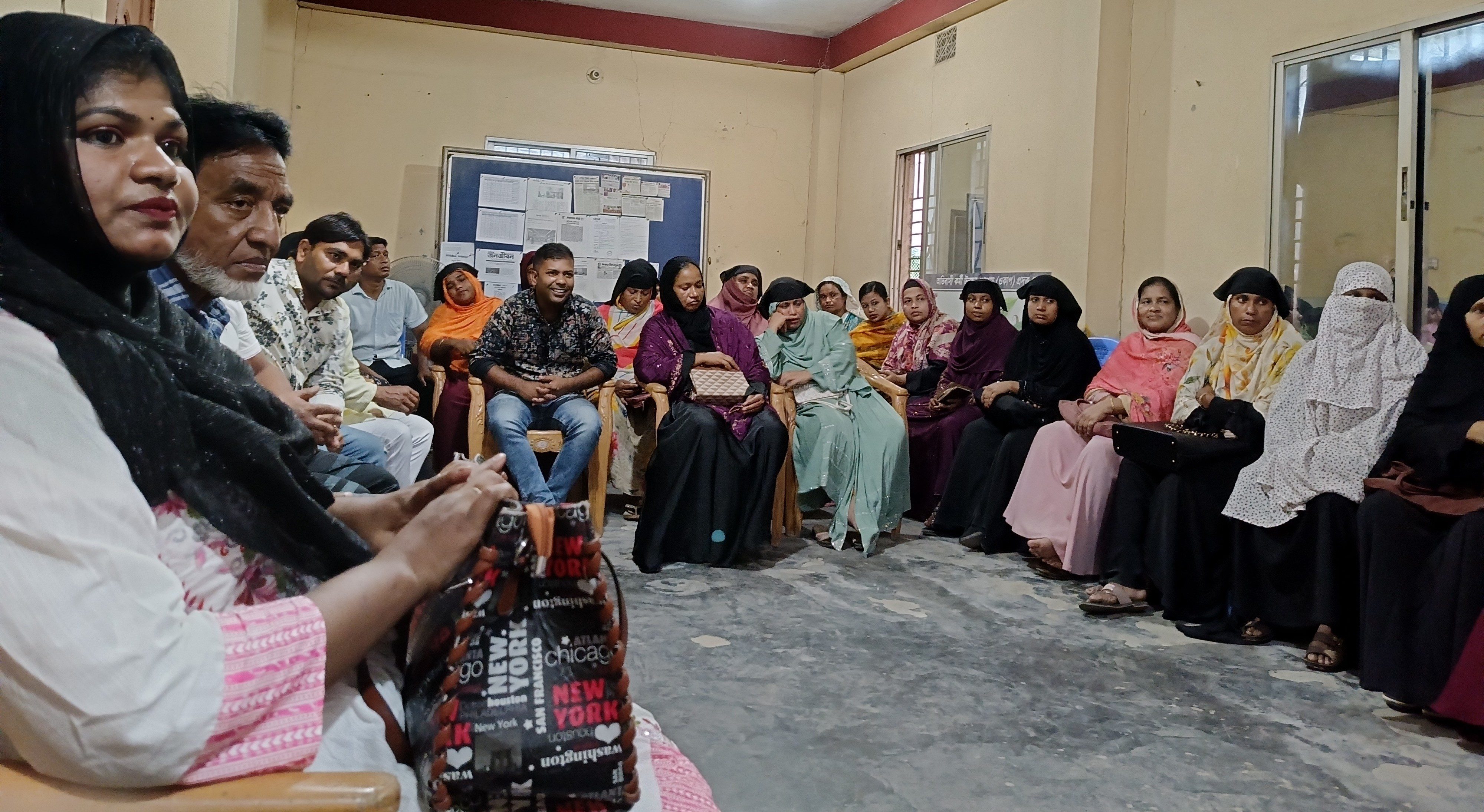
Returnee migrant workers, their spouses, and other Migrant Forum members attend a capacity-building session on migrant health rights, HIV/AIDS and STI awareness, and community advocacy at OKUP’s (CARAM’s partner organization) Munshiganj Field Office in Bangladesh.
POURAKHI Nepal, together with CARAM Asia and civil society partners, drove this change over two decades, building an irrefutable body of evidence from returnee migrants documenting their own realities.
As POURAKHI noted: The issues were raised directly by migrant workers based on their lived experiences. That gave them a legitimacy in policy discussions that nothing else could replicate.
However, structural systems do not change in a single year. Twenty years of patient, political advocacy cannot be sustained on short-term, project-tied grants. Since 2014, the Robert Carr Fund has invested approximately $2.69 million into the CARAM Asia consortium, including $60,729 dedicated to POURAKHI’s core operations absorbing political risk, securing institutional stability, and enabling these organisations to evolve from service providers into policy advocates.
POURAKHI’s victory remains precariously fragile. Within six months of the USAID suspension, national HIV testing collapsed by 34% and testing for highly marginalised groups virtually ceased. Fewer detected cases do not mean fewer infections. They mean the system stopped looking. It is in this context that POURAKHI’s policy achievement carries its full weight and why financial constraints on organisations like CARAM Asia directly limit the ability to turn advocacy wins into sustained, scaled-up programming.
As international stakeholders debate the future of global health financing, the lesson for Nepal is stark: biomedical interventions reach numbers, but community infrastructure reaches people. “Now there is recognition, but implementation is the real challenge, says an anonymous returnee woman migrant worker from Far Western Nepal. “Services must reach women in rural and border areas, not just remain on paper.
How community-led evidence and flexible funding helped move Kenya's first harm-reduction Bill from long-term advocacy into Parliament.

Three MENA networks strengthening community leadership, influence, and access to HIV financing across the region.

AGCS plus strengthens rights advocacy, partnerships, and community voices across Francophone West and Central Africa.
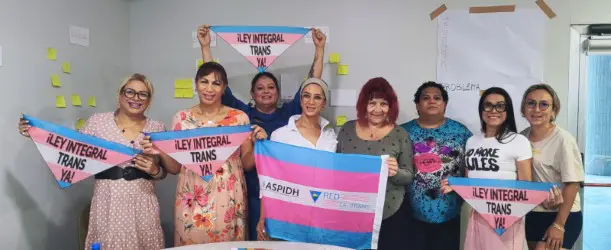
RedLacTrans responded to funding cuts and political uncertainty with collective strategy, advocacy, and resilience.