From Community Evidence to Parliament: Core Flexible Funding in Action
How community-led evidence and flexible funding helped move Kenya's first harm-reduction Bill from long-term advocacy into Parliament.
Across Francophone West and Central Africa, sexual and gender minorities are increasingly confronted with anti-rights movements, restrictive legislation, targeted violence, and a shrinking civic space. In several countries, sexual orientation and gender identity have become tools of political mobilization, often at the expense of fundamental human rights principles.
In response to this reality, AGCS PLUS goes beyond documenting violations. The network works to transform the power structures that institutionalize the exclusion and marginalization of communities.
Thanks to the flexible support of the Robert Carr Fund, the network has strengthened its regional influence, consolidated strategic partnerships, and helped build a collective Francophone voice capable of responding to anti-rights offensives.
By bringing together 21 organisations across 12 Francophone African countries, AGCS PLUS generates community-led evidence, strengthens activists’ capacities, and creates spaces where communities can directly advocate for their rights before national, African, and international institutions.
This approach has enabled the network to strengthen the presence of community-based organisations within the African Commission on Human and Peoples’ Rights (ACHPR). During the ACHPR’s 85th Ordinary Session, AGCS PLUS and its partners brought attention to the implications of Burkina Faso’s Family and Persons Code, helping to place issues of dignity, equality, and protection of sexual and gender minorities and women at the center of regional human rights discussions.
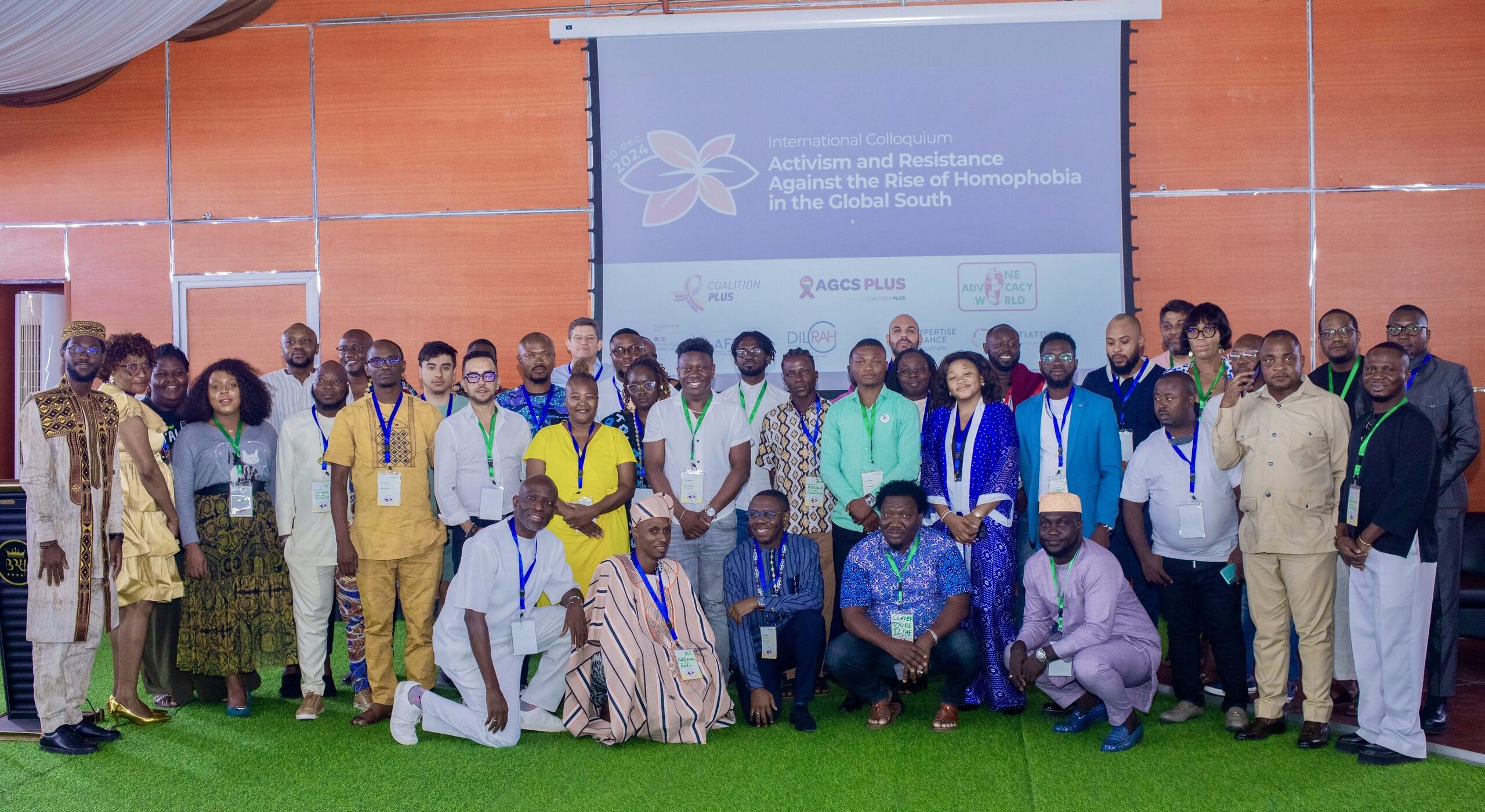
Activists meet in Benin at the Activism and Resistance symposium, strengthening solidarity and developing strategies to advance equality, dignity, and human rights
In Togo, AGCS PLUS supported community organisations in the framework of the Universal Periodic Review (UPR), helping to generate previously undocumented evidence on violence and discrimination affecting communities. This information has contributed to international accountability mechanisms and strengthened the capacity of community actors to influence national debates.
AGCS PLUS has also developed strategic alliances with National Human Rights Institutions, National AIDS Councils, feminist movements, and African human rights mechanisms to ensure that issues affecting sexual and gender minorities are recognized as matters of citizenship, public health, and democracy.
For AGCS PLUS, transformative change is not limited to reforming laws. It also means challenging the social, political, and institutional norms that determine whose identities are recognized, whose voices are heard, and whose rights are protected.
At a time when hard-won rights are increasingly under threat, AGCS PLUS stands by a simple conviction: sexual and gender minorities are not asking for special rights. They are claiming access to the same rights, dignity, and protection as everyone else. This is the vision of a more just, inclusive, and democratic society that the network continues to advance across Francophone Africa.
How community-led evidence and flexible funding helped move Kenya's first harm-reduction Bill from long-term advocacy into Parliament.

Three MENA networks strengthening community leadership, influence, and access to HIV financing across the region.
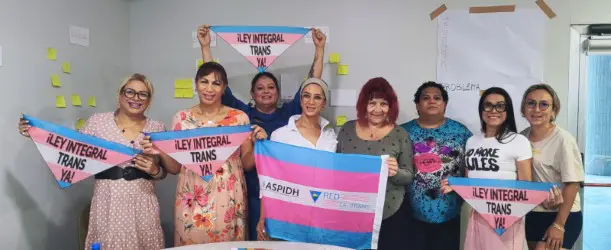
RedLacTrans responded to funding cuts and political uncertainty with collective strategy, advocacy, and resilience.

How a 20-year fight changed national labour law and why a legal victory cannot survive a funding collapse.