From Community Evidence to Parliament: Core Flexible Funding in Action
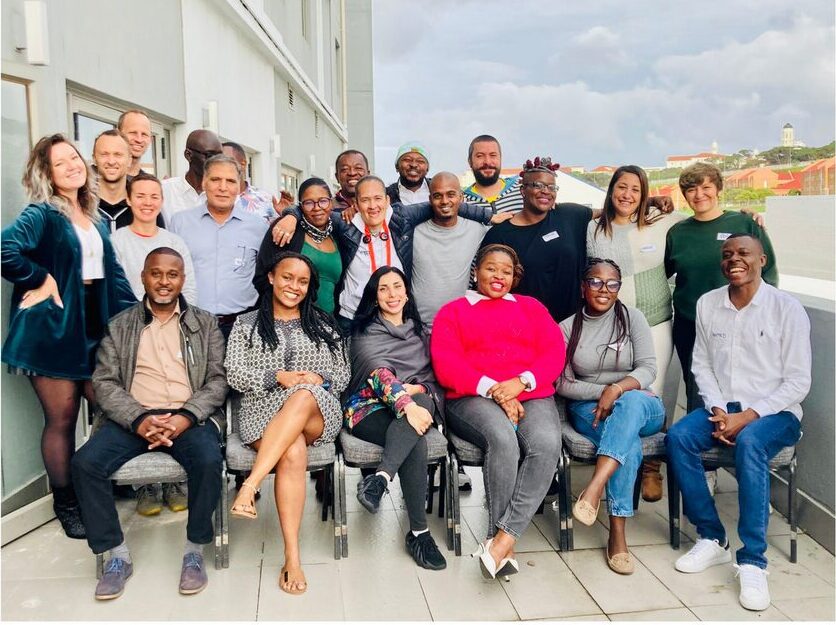
How community-led evidence and flexible funding helped move Kenya's first harm-reduction Bill from long-term advocacy into Parliament.
HIV rates are rising in the Middle East and North Africa, the region with the lowest HIV treatment coverage in the world. Stigma, punitive laws, and affordability barriers obstruct access to care, ISPs are disproportionately affected, and a globally connected anti-rights movement intensifies the pressure as global HIV funding contracts. In that climate, the resources the Global Fund mobilises and how they are allocated decide whether the regional response holds.
Three RCF-supported networks have taken on that task together: MENAHRA, MENA Rosa, and MENANPUD, who treat influence over Global Fund financing as a shared objective rather than a series of separate projects. As Amjad Malaeb, MENAHRA Programs Coordinator, puts it, meaningful community participation in resource mobilisation helps ensure investments are responsive, equitable, and reach those most affected.
Building community leadership came first. Under the Community Engagement Strategic Initiative (2024–2026), MENAHRA and MENA Rosa co-hosted the Global Fund MENA learning hub, strengthening the engagement of affected communities in Global Fund and national processes through webinars, communications, a case study on the technical assistance provided to Egypt, and a seed fund to El Hayet, a CSO based in Algeria, to conduct a resource mobilisation workshop.
The two also developed a training module and ran sub-regional trainings in Morocco and Lebanon, building solidarity across a harm reduction network and an organisation of women living with HIV, a movement that better includes intersectionally affected communities such as women who use drugs. With support from the Global Fund-financed NADOUM project (2022–2025), MENANPUD brought community members into studies, consultations, and workshops. MENAHRA’s seat on the Developing Country NGO Delegation to the Global Fund Board carries this regional voice directly into global governance.
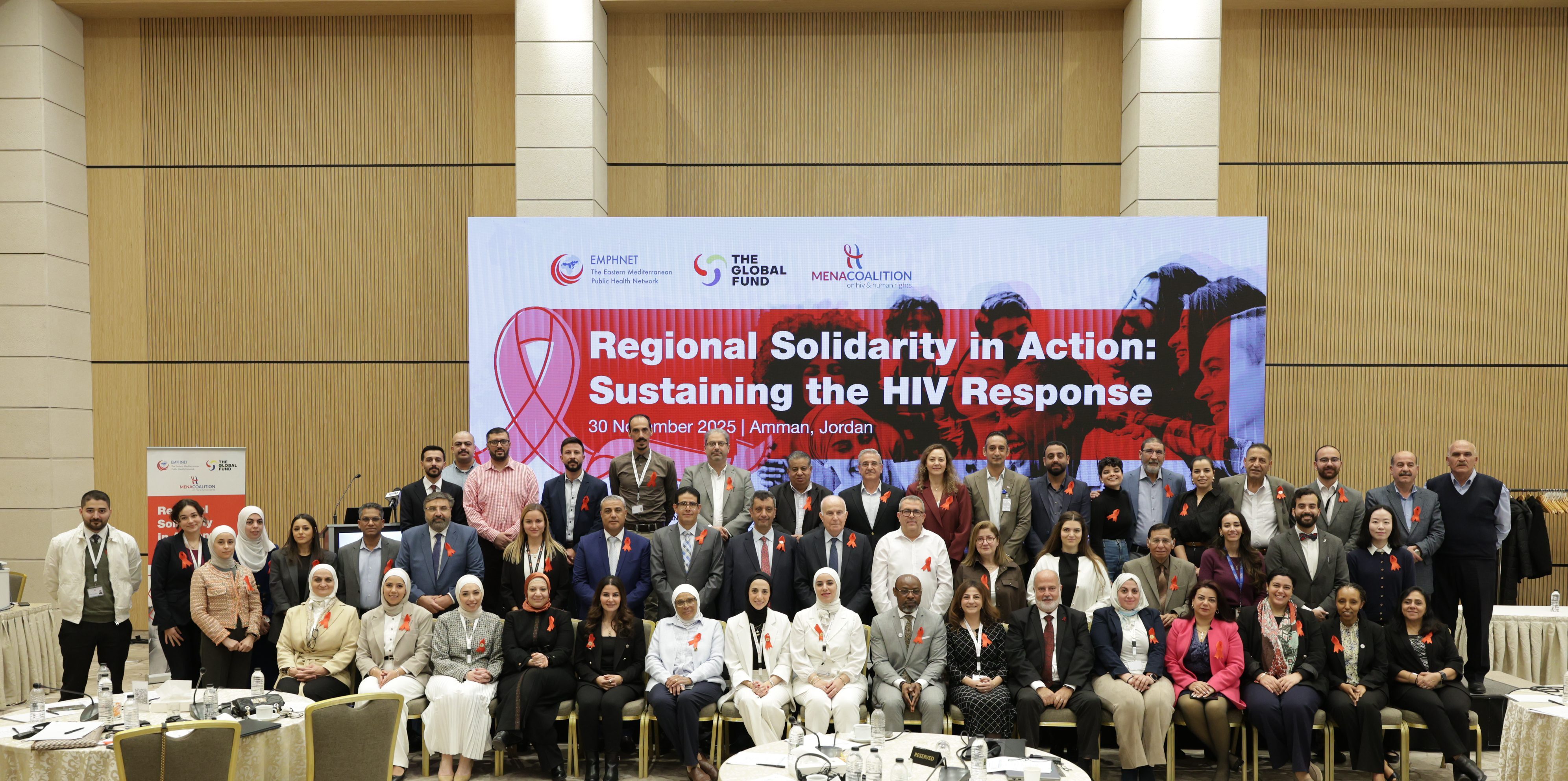
MENA Rosa representatives participate in the launch of the MC MENA 3 Global Fund Grant in Jordan, alongside Global Fund team members and national sub-recipients from Egypt, Jordan, Lebanon, Morocco, and Tunisia.
Mobilising resources means little without influence over how they are allocated. MENA Rosa worked with the Global Fund Advocates Network, the International Treatment Preparedness Coalition – MENA and MENAHRA on a civil society campaign for Gulf donor contributions to the Global Fund’s eighth replenishment, producing a policy brief and mobilising 46 organisations behind a common position. As applicant for the multi-country MENA 3 grant, the MENA H Coalition leadership committee, composed of Coalition PLUS Plateforme MENA, MENAHRA, and MENA Rosa, shaped the grant application.
Although the regional network members were excluded from the formal implementation plan, a recurring pattern in Global Fund grants, MENAHRA will still steer implementation through the coalition leadership committee and a service agreement on regional resource mobilisation and drug policy reform.
Sustaining these gains also means engaging governments so that mobilised resources are not undercut by punitive law. With the Lebanese Coalition for Drug Policy Reform, MENAHRA held consultations with parliamentary committees and ministries on a draft law to decriminalise drug use in Lebanon, where dialogue continues despite resistance.
Within a UNITAID-funded grant led by Frontline AIDS in Egypt, MENAHRA contributes harm reduction expertise and coordinates between civil society and the Ministry of Health and Population. That relationship produced an in-kind donation of locally produced hepatitis medicines from Egypt to Lebanon, a tangible mark of community advocacy and regional solidarity. In difficult environments, these three networks have strengthened MENA community leadership in the regional HIV response and in global HIV financing.
How community-led evidence and flexible funding helped move Kenya's first harm-reduction Bill from long-term advocacy into Parliament.

AGCS plus strengthens rights advocacy, partnerships, and community voices across Francophone West and Central Africa.
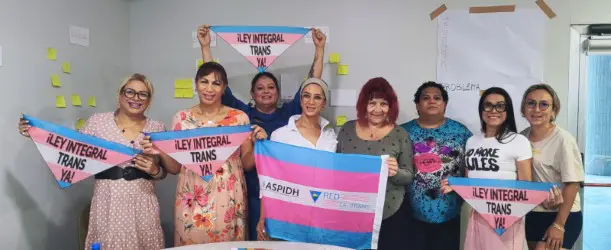
RedLacTrans responded to funding cuts and political uncertainty with collective strategy, advocacy, and resilience.

How a 20-year fight changed national labour law and why a legal victory cannot survive a funding collapse.